Skip to content
DemocracyInnovators
EpisodesTopicsMapListenAboutMCPContactSearch
SearchSubscribe

Loading…

Independent conversations about democracy, governance and civic technology.

EpisodesTopicsMapAboutSearchListenRSSContactMCPPrivacy & Cookies

Listen on

Democracy Innovators Podcast © 2026

Research toolAsk the archive

Ask about a person, project, or idea in the published podcast archive.

Try

Answers are AI-generated from published transcripts and include source links.

Archive · 6 conversations in Digital democracy

Episodes

Interviews and field notes from people building new forms of democratic practice.

AllArtificial intelligenceCivic technologyDeliberative democracyDigital democracyGovernanceParticipationTrust and security
Looking for a guest, project, or phrase from a transcript?Search the archive →
56Gianluca Misuraca from Inspiring Futures on AI in the public sector cover art

Aug 12, 2026

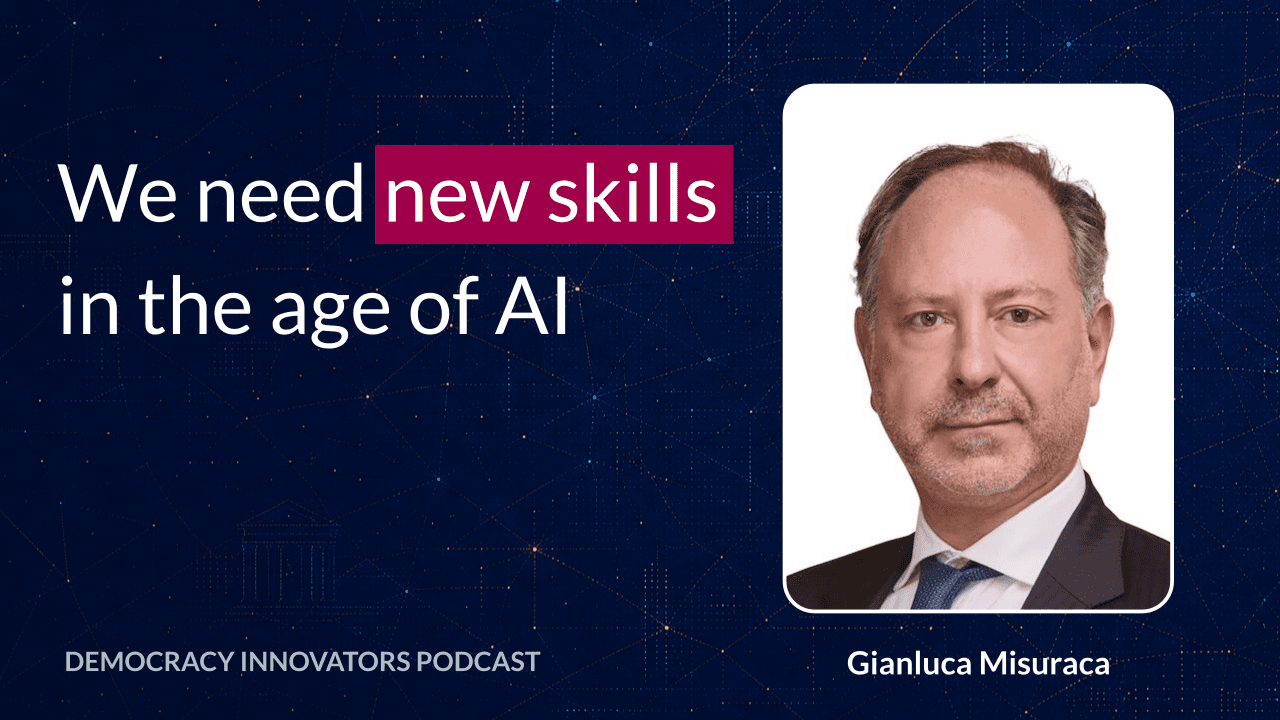
Gianluca Misuraca from Inspiring Futures on AI in the public sector

Gianluca Misuraca of Inspiring Futures Europe, coordinator of the European Union AI Skills Academy, discusses how foresight can help societies shape technological change. He explains why democratic control of AI depends on digital sovereignty, public-sector skills, interoperability, better procureme

Open conversation →
IT 02Giovanni Di Sotto on electronic voting, security and democratic innovation cover art

May 20, 2026

Giovanni Di Sotto on electronic voting, security and democratic innovation

Giovanni Di Sotto discusses electronic voting, security, and democratic innovation through the experience of Multicast. The conversation explores digital identity, usability, transparency, institutional trust, accessibility, and the tradeoffs involved in designing voting and assembly systems that are both practical and credible.

Open conversation →
45Sylvain Le Bon from Startin'blox about Data Spaces, Democracy and Interoperability cover art

Apr 14, 2026

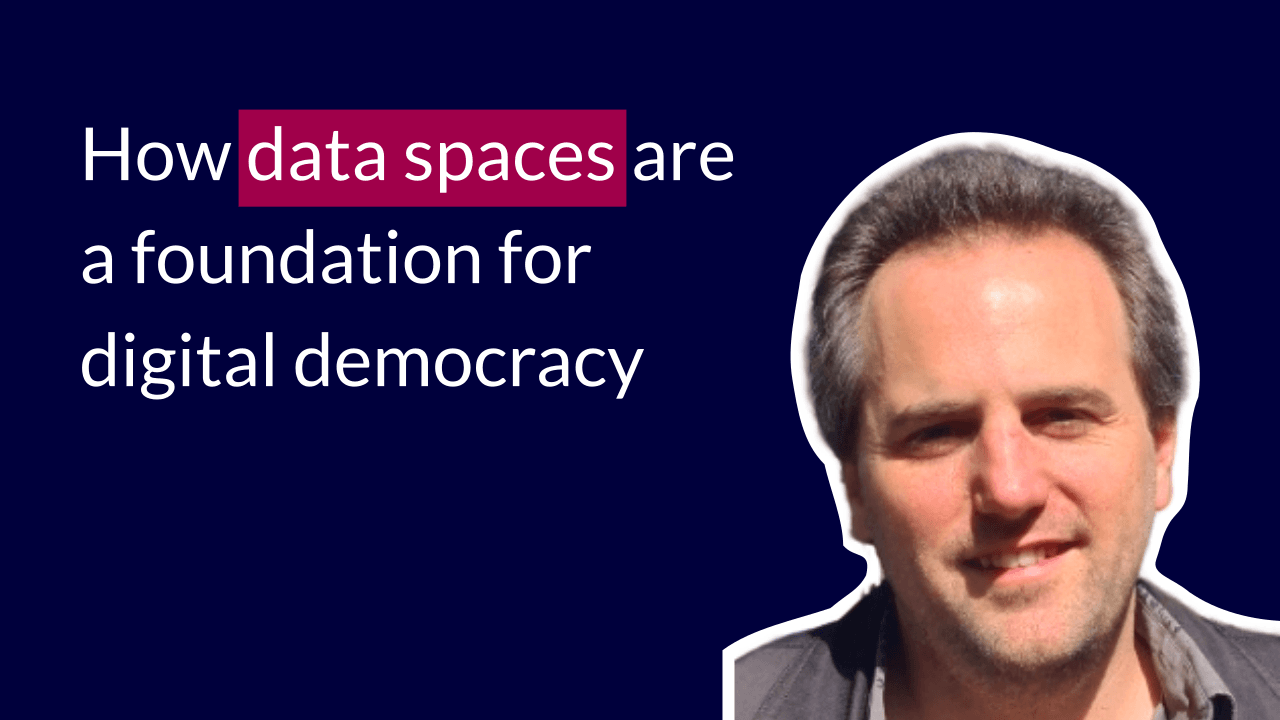
Sylvain Le Bon from Startin'blox about Data Spaces, Democracy and Interoperability

Sylvain Le Bon discusses Startin’blox, data spaces, democracy, and interoperability. The conversation explores open standards, decentralized digital infrastructure, civic technology, and how interoperable systems can give communities and organizations more control over data while supporting democratic collaboration across platforms.

Open conversation →
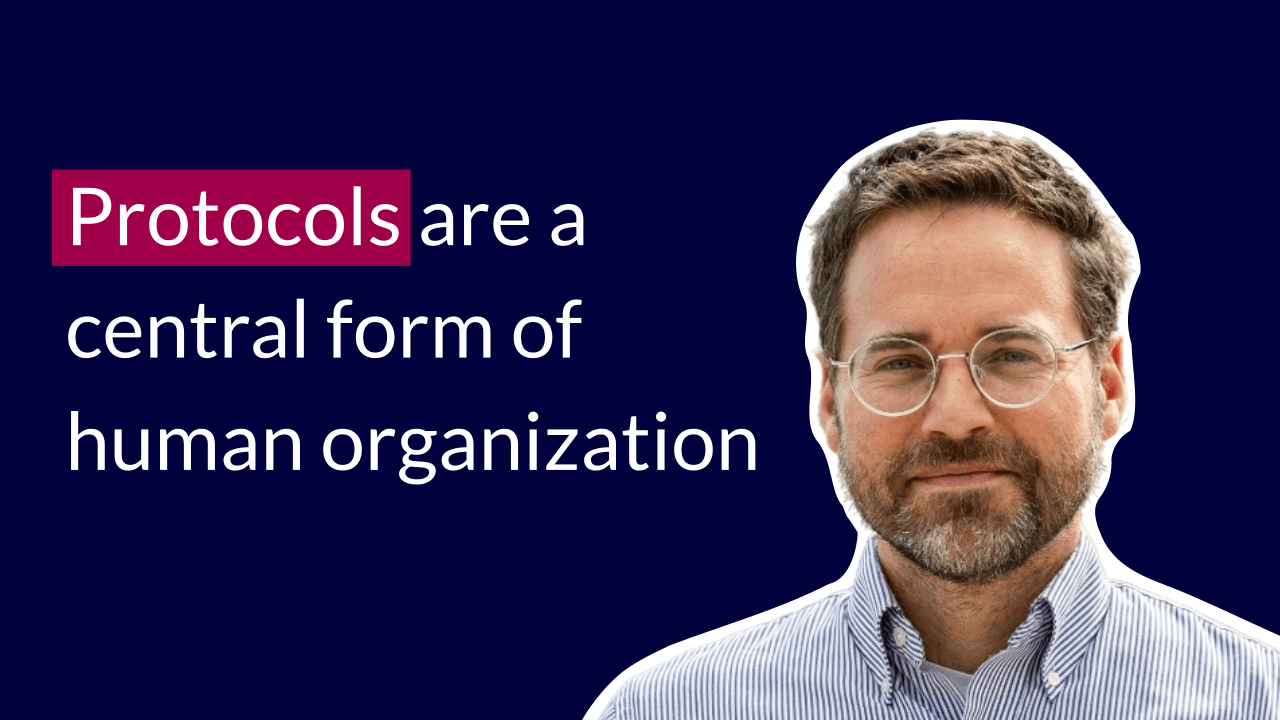
38Nathan Schneider on protocols, modular politics and the governance of online communities cover art

Feb 26, 2026

Nathan Schneider on protocols, modular politics and the governance of online communities

Nathan Schneider explores protocols, modular politics, and governance in online communities. The conversation connects digital constitutionalism, platform design, and democratic experimentation, asking how communities can create rules, adapt institutions, and build more accountable online spaces without relying only on centralized platforms or informal moderation habits.

Open conversation →
31Bruce Schneier on democracy in the context of cryptography, security, e-voting, AI, power and trust cover art

Nov 26, 2025

Bruce Schneier on democracy in the context of cryptography, security, e-voting, AI, power and trust

Bruce Schneier discusses democracy through the lenses of cryptography, security, electronic voting, artificial intelligence, power, and trust. The conversation examines why technical systems cannot solve political legitimacy alone, how security thinking clarifies democratic risks, and why trustworthy institutions matter as much as trustworthy tools.

Open conversation →
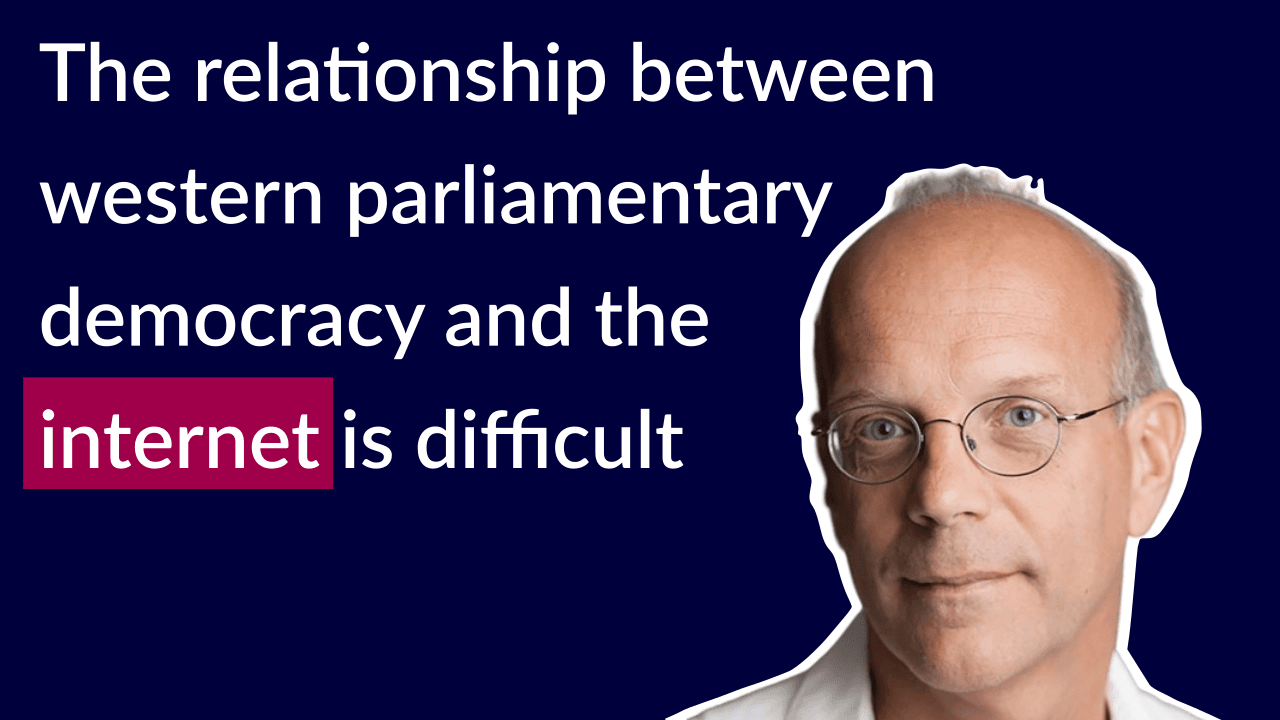
04Geert Lovink about Democracy and the Internet. Do internet technologies help or harm? cover art

Apr 28, 2025

Geert Lovink about Democracy and the Internet. Do internet technologies help or harm?

Geert Lovink discusses democracy and the internet, asking whether digital technologies help or harm public life. The conversation explores platform power, online culture, political communication, and the failures and possibilities of internet-based democracy after decades of experiments, hype, and institutional disappointment.

Open conversation →